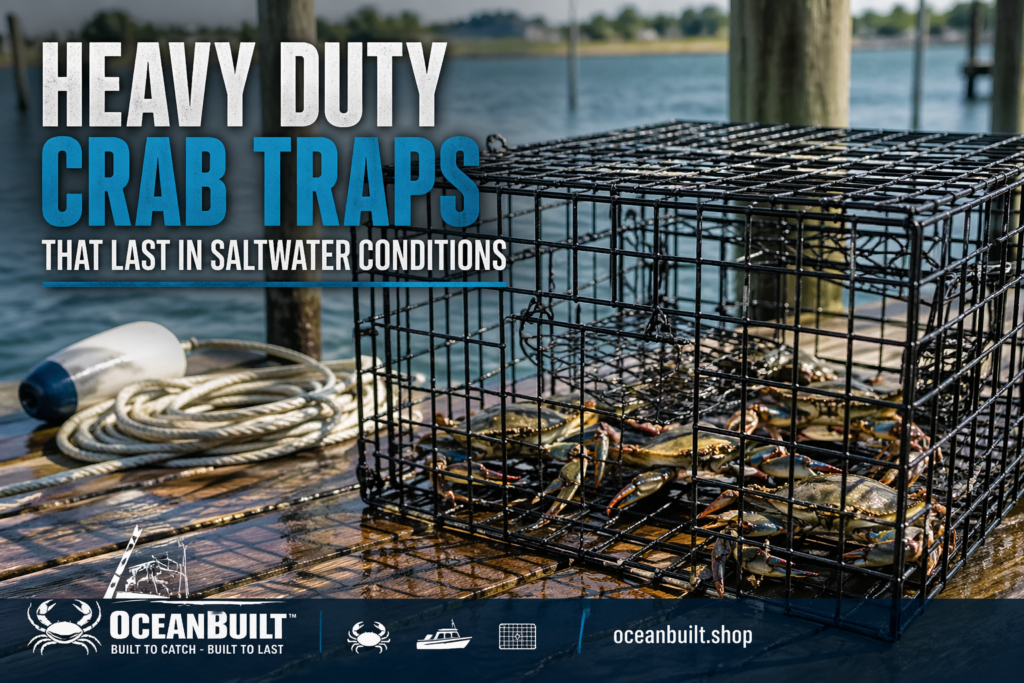
When it comes to crabbing in coastal waters, choosing the right gear can make all the difference. A Blue Crab Trap built for strength and durability is essential for anglers who want dependable performance season after season. Saltwater environments are harsh on fishing equipment, causing rust, corrosion, and wear over time. That is why investing in heavy duty crab traps designed specifically for saltwater conditions is one of the smartest decisions any serious crabber can make.
Why Saltwater Conditions Require Heavy Duty Crab Traps
Saltwater is one of the toughest environments for fishing gear. Constant exposure to moisture, salt, sun, and rough handling can quickly damage cheap traps. Standard wire traps often rust, weaken, and break after only a short time in the water. Hinges may fail, doors can bend, and entry funnels may collapse.
A high-quality Blue Crab Trap made with durable materials can resist these issues. Strong construction ensures the trap maintains its shape, works efficiently, and keeps catching crabs even after repeated use in bays, estuaries, docks, and coastal channels.
Features of a Long-Lasting Crab Trap
Not all traps are made the same. If you want a trap that lasts in saltwater conditions, look for these important features:
1. PVC-Coated Wire Mesh
PVC-coated wire is one of the best materials for crab traps. The coating protects the metal underneath from corrosion while adding strength and flexibility. This makes the trap more resistant to rust and wear caused by saltwater exposure.
2. Marine-Grade Hardware
Heavy duty traps often use stainless steel clips, hinges, and fasteners. Marine-grade hardware lasts much longer than regular metal parts and helps prevent failure in wet environments.
3. Reinforced Frame Design
A sturdy frame helps the trap maintain its shape during transport and while submerged. Traps with reinforced corners and solid frames can withstand rough currents and frequent lifting.
4. Strong Entry Funnels
Well-designed funnels guide crabs inside while making it difficult for them to escape. Durable funnels hold their shape and continue performing over time.
5. Secure Bait Compartments
A reliable bait holder keeps bait in place and attracts crabs effectively. Strong bait compartments reduce the need for frequent repairs.
Why Blue Crab Traps Are Popular
The Blue Crab Trap is one of the most commonly used trap styles in coastal regions because it is highly effective and easy to use. Blue crabs are active scavengers and are naturally drawn toward bait inside traps. With the right trap design, crabbers can catch multiple crabs at once.
Heavy duty blue crab traps are especially valuable for recreational crabbers and professionals who set traps regularly. Since these traps stay in the water for extended periods, they need to handle tides, waves, and underwater debris without breaking down.
Benefits of Investing in Heavy Duty Crab Traps
Saves Money Over Time
Cheap traps may seem affordable at first, but replacing damaged traps every season becomes expensive. A durable Blue Crab Trap lasts longer and reduces replacement costs.
Better Catch Rates
Strong traps maintain their proper shape and function. Doors open correctly, funnels stay aligned, and bait remains secure. This leads to better crab catches.
Less Maintenance
Rust-resistant materials mean fewer repairs and less time fixing broken parts. You spend more time fishing and less time working on gear.
Reliable Performance
Whether crabbing from a dock, boat, bridge, or shoreline, dependable equipment gives peace of mind and consistent results.
Best Places to Use Heavy Duty Crab Traps
Heavy duty traps perform well in many saltwater environments, including:
- Coastal bays
- Estuaries
- Backwaters
- Boat docks
- Bridges
- Marsh edges
- Tidal creeks
These locations often contain strong currents, barnacles, mud, and rough surfaces, making durable traps essential.
Tips to Make Your Crab Trap Last Longer
Even the strongest trap benefits from proper care. Follow these tips:
- Rinse the trap with fresh water after each use.
- Store it in a dry shaded area when not in use.
- Check ropes, clips, and doors regularly.
- Replace worn bait holders or damaged cords quickly.
- Avoid dragging the trap across rocks whenever possible.
Simple maintenance can add years to the life of your trap.
Final Thoughts
If you crab in coastal waters, choosing a heavy duty trap is one of the best upgrades you can make. Saltwater conditions are unforgiving, and weak equipment rarely lasts long. A strong Blue Crab Trap made from PVC-coated wire, marine-grade hardware, and reinforced construction provides dependable performance season after season.
Whether you are a weekend crabber or someone who traps regularly, investing in durable gear means more catches, fewer repairs, and better value over time. When it comes to saltwater crabbing, quality always pays off.